


The Revolutionary in Running Shoes
Dr. Kenneth Cooper, the 'Father of Aerobics,' is still leading the race
toward living a longer, healthier life.
When University of Oklahoma alum Kenneth H. Cooper added an “s” to the long-used adjective “aerobic” in 1968, he didn’t just create a new noun—he kickstarted a fitness revolution. That year, his book Aerobics inspired much of the world to build their cardiovascular strength by doing activities like jogging.
But not everyone welcomed it.
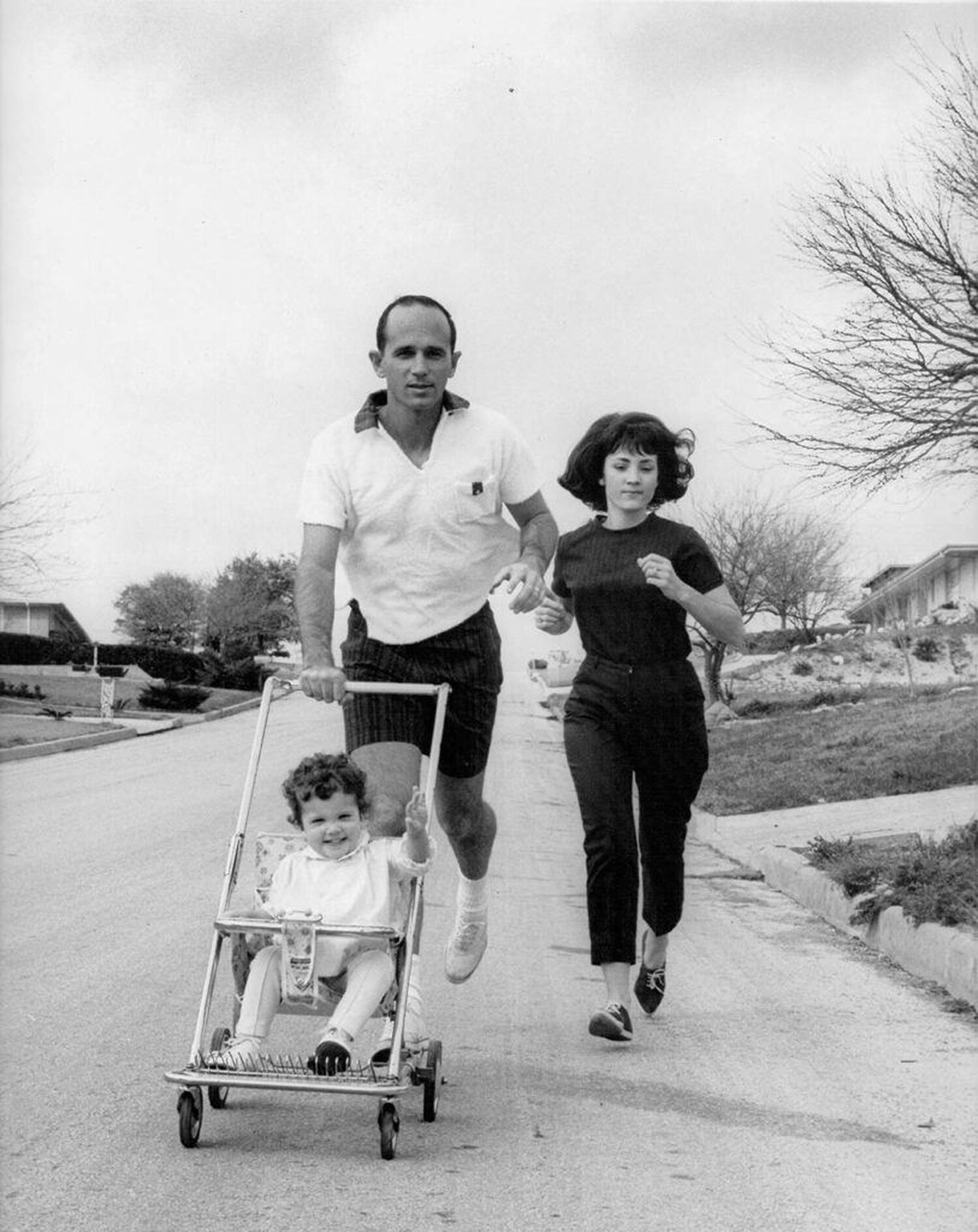
“I was brought before a Dallas Board of Censors because someone was certain my approach was going to get people hurt—or worse, killed,” he recalls.
Colleagues called him reckless and TV journalist Barbara Walters labelled him a fraud (before later inviting him to appear on the “TODAY Show”). More than a half century later, the man once derided as a “quack” is regularly considered the “father of aerobic exercise,” an activity now universally accepted for its health benefits.
In his 95th year, Cooper shows no signs of stopping. For a rapid-fire, 70-minute interview, he rattled off detailed elements of his life story and mission at 190 words a minute, or three words per second. Though he had to quit running after a skiing accident in recent years, he exercises five days a week and—looking lean in a lab jacket in his Dallas office—comes off as someone who still runs marathons.
“I practice what I preach,” he says.
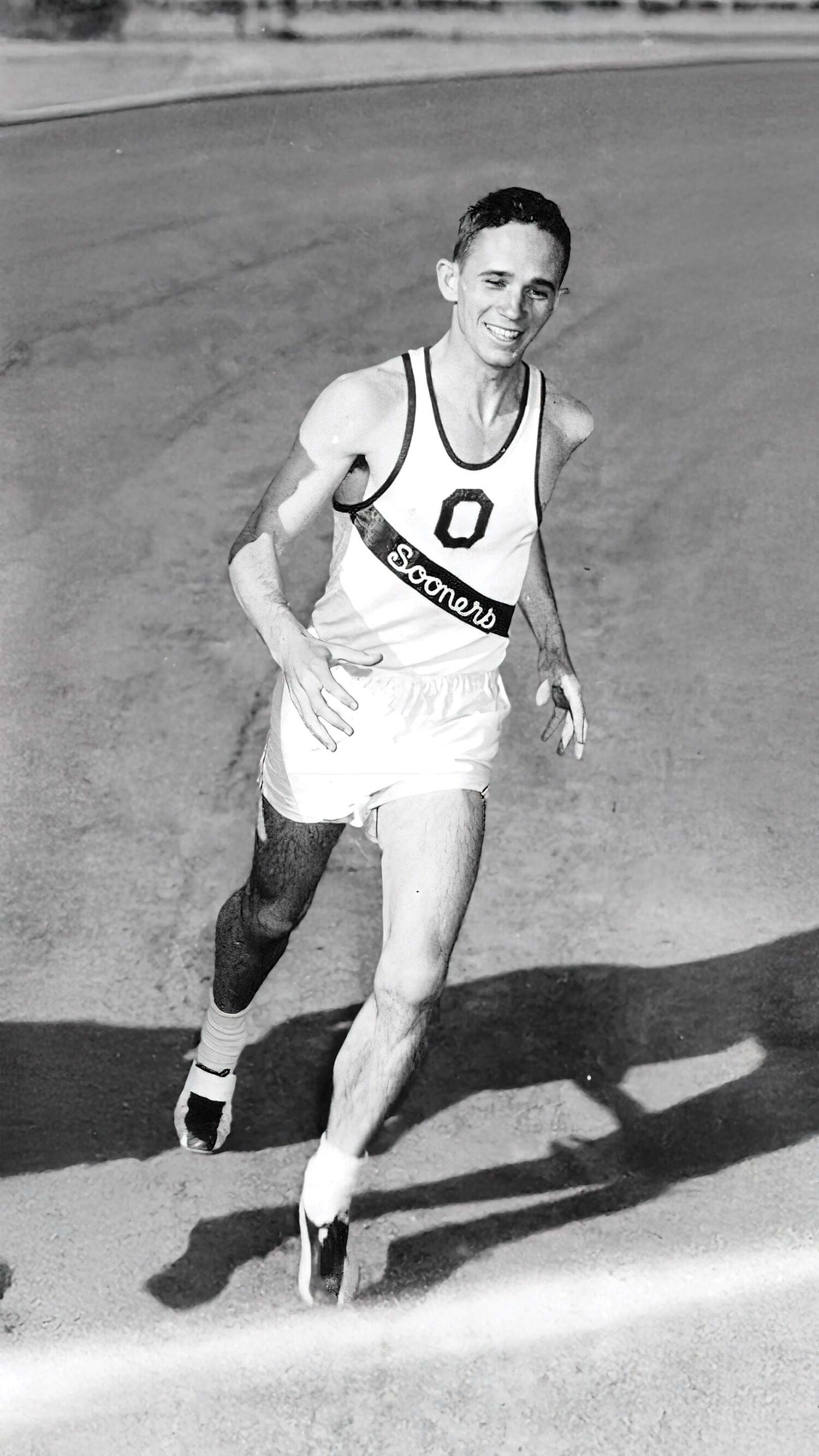
Cooper was born in Oklahoma City in 1931. He dreamed of being an Olympian, so when not milking the family cows, he’d run and run. At Putnam City High School, he won the state championship in the mile run, eventually earning a track scholarship to OU.
But his father, a periodontist who stressed nutrition, never came to watch.
“Back in the ‘50s, they thought if you get an athletic heart it becomes muscular and that you’d die early,” says Cooper. “My father believed that.”
Yet Cooper pressed forward, earning a 1953 OU Bachelor of Science and getting his M.D. from OU in 1956 before becoming a military physician and flight surgeon. He studied the benefits of “maximum oxygen consumption” at Harvard then helped train astronauts at NASA. But years of long hours and poor habits caught up to him. At 29, he nearly collapsed while water-skiing at Lake Texoma with a racing heart that hit close to 180 beats per minute.
“The next day, I was evaluated, and they said, ‘Doc, the problem is you’re out of shape,’ ” he recalls. “I was overweight, pre-diabetic, hypertensive and inactive—and I had an epiphany that changed my life.”
He began running again, lost weight, got back into shape and, within six months, completed his first marathon.
“That’s when I decided to specialize in preventive medicine.”
Early believers in Cooper’s message included Brazil’s national soccer team, which worked with him to build endurance for the 1970 World Cup in Mexico City. Led by star players like Pelé, Brazil won all six games, including scoring three second-half goals to beat a worn-out Italy in the final. Jogging is still known simply as “doing the Cooper” in Brazil.
In 1970, he left the Air Force to found what would become the Cooper Aerobics Center in Dallas, which is still active as a 30-acre wooded complex with a hotel, swimming pools, tracks, tennis courts and even pickleball courts. Initially, however, the American medical establishment remained wary. So, Cooper doubled down on research.
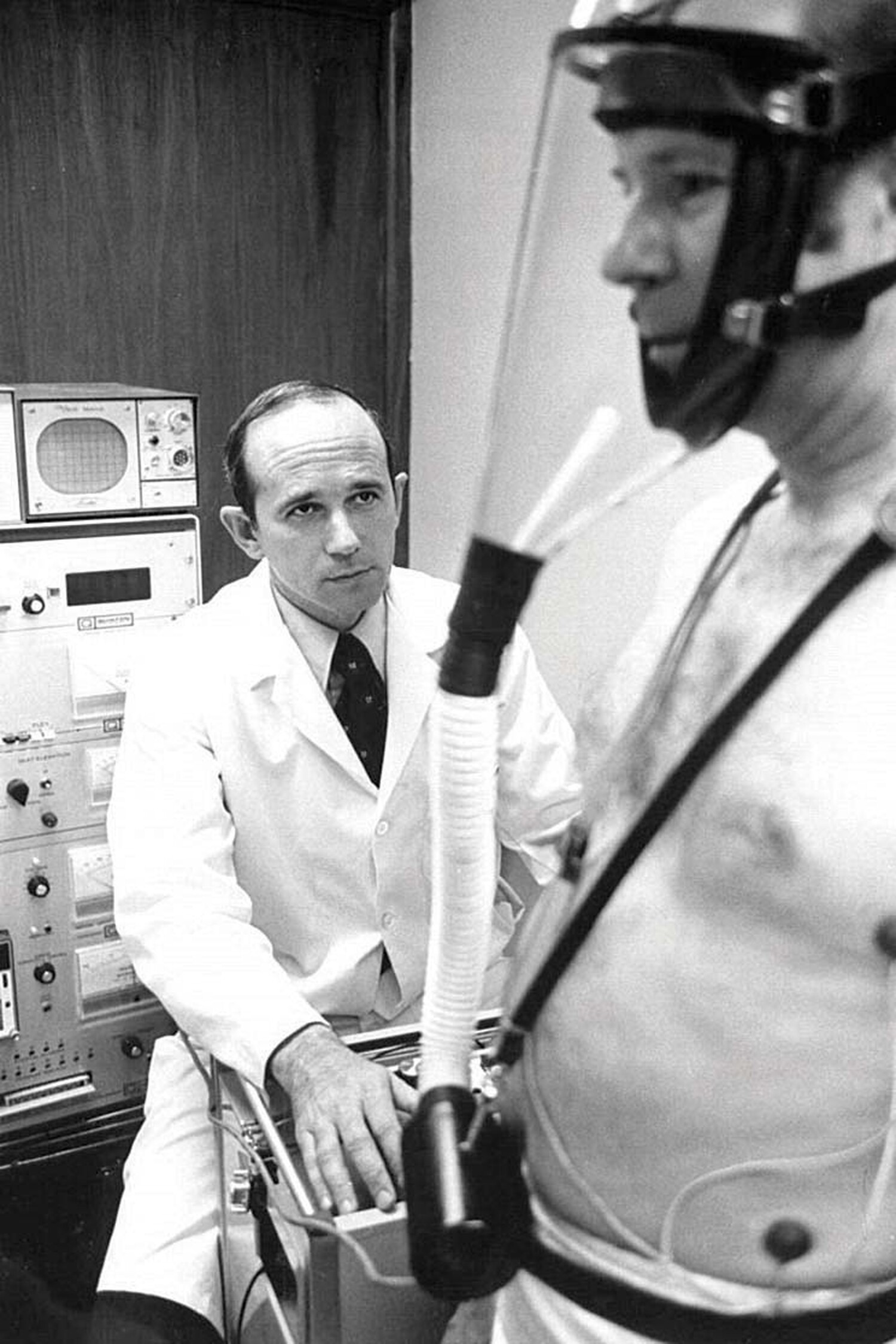
“We’ve published over 700 papers in peer-reviewed journals proving exercise is medicine—and the results are too impressive to be ignored,” he says.
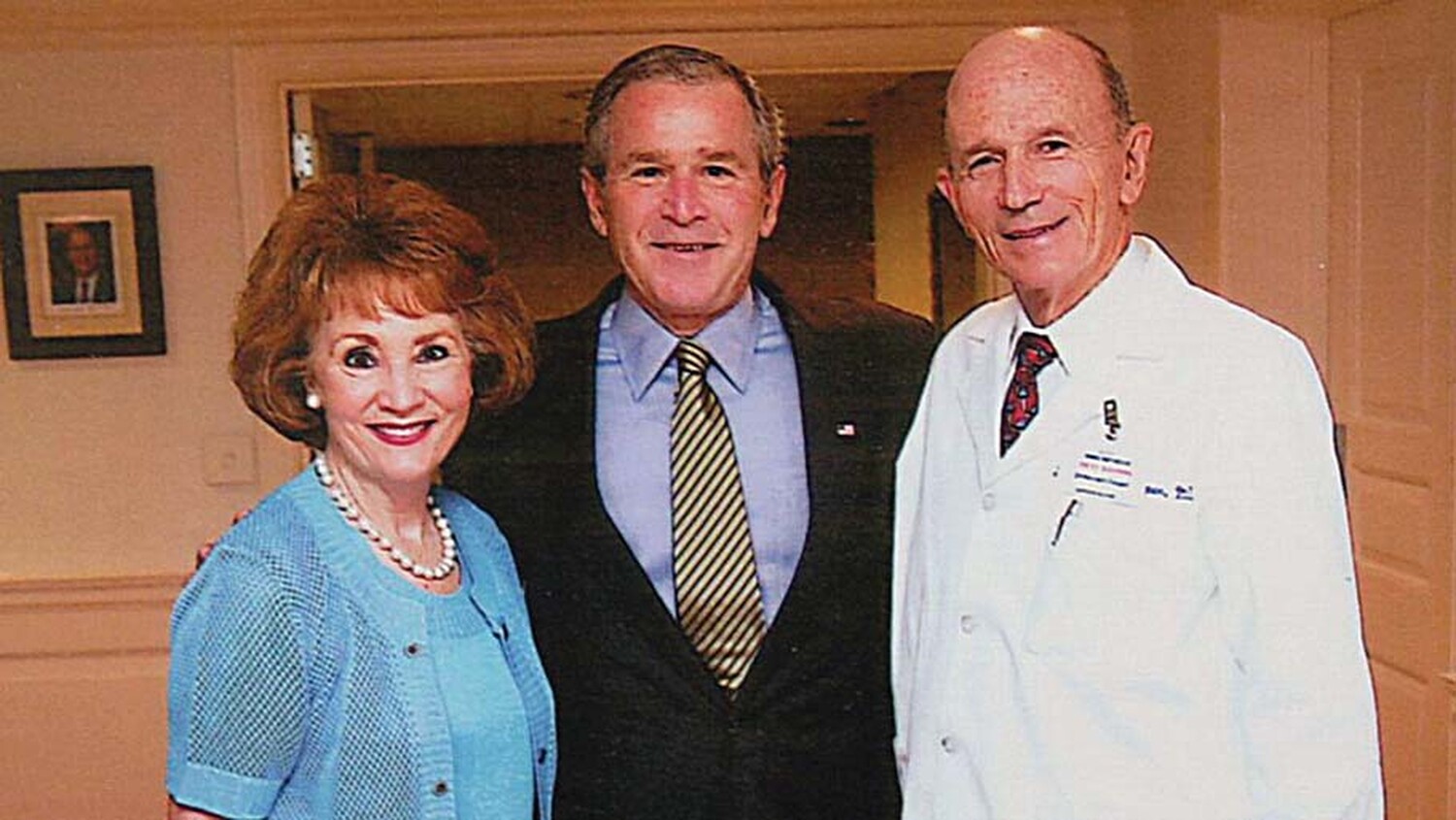
Other results are equally impressive. His clinic introduced the treadmill stress test, developed the FitnessGram PACER aerobic capacity test for schools and collaborated with Frito-Lay to remove trans fats from their products. He wrote Aerobics for Women with his wife, Millie Cooper, in 1972, helping normalize exercise for women. Later, Jane Fonda—whose wildly popular home workout videos embraced the “feel the burn” mantra—eventually softened her message after consulting him. His research on more than 116,000 patients, including former President George W. Bush, demonstrates that people who exercise regularly may add a decade of life on average.
Despite all Cooper accomplished, one man never quite accepted his message.
“My father died at 77. I’ve outlived him by 18 years and I wish I knew then what I know now,” he says.
Cooper’s newest book, Grow Healthier as You Grow Older, neatly distills nearly seven decades of medical practice into what he calls his “eight healthy steps” for living longer and better, centered upon 30 minutes of exercise five days a week.
But much work remains to be done.
Cooper notes how the United States spends more than $3 trillion in healthcare (more than double any other nation) yet trails dozens of other countries in longevity. And above-average obesity rates in Oklahoma particularly perturb him.
“We spend too much on preventing death rather than prolonging life,” he says. “I want to change this.”
Yet, Cooper says the decision to pursue longevity is up to the individual, frequently noting that “fitness is a journey, not a destination.”
Perhaps his most impressive legacy is that, at age 94, Cooper’s own journey is still going at full speed.
“What’s the future going to hold?” he asks. “My goal is for the world to get ‘Cooperized.’ ”
Robert Reid is a writer and video producer based in Oregon.
To comment on this story, click here.