

Strengthening the Heart of Oklahoma Education
A trio of OU programs is connecting and empowering rural teachers and administrators.
Early in her teaching career, Bailey Smith was overwhelmed. She taught pre-K at a rural school in a classroom that included children with challenging behavior.
“I was that brand-new, first-year teacher who was lost,” Smith says. “I didn't know what I was going to do, because the kids had needs that I had not been equipped or trained for.”
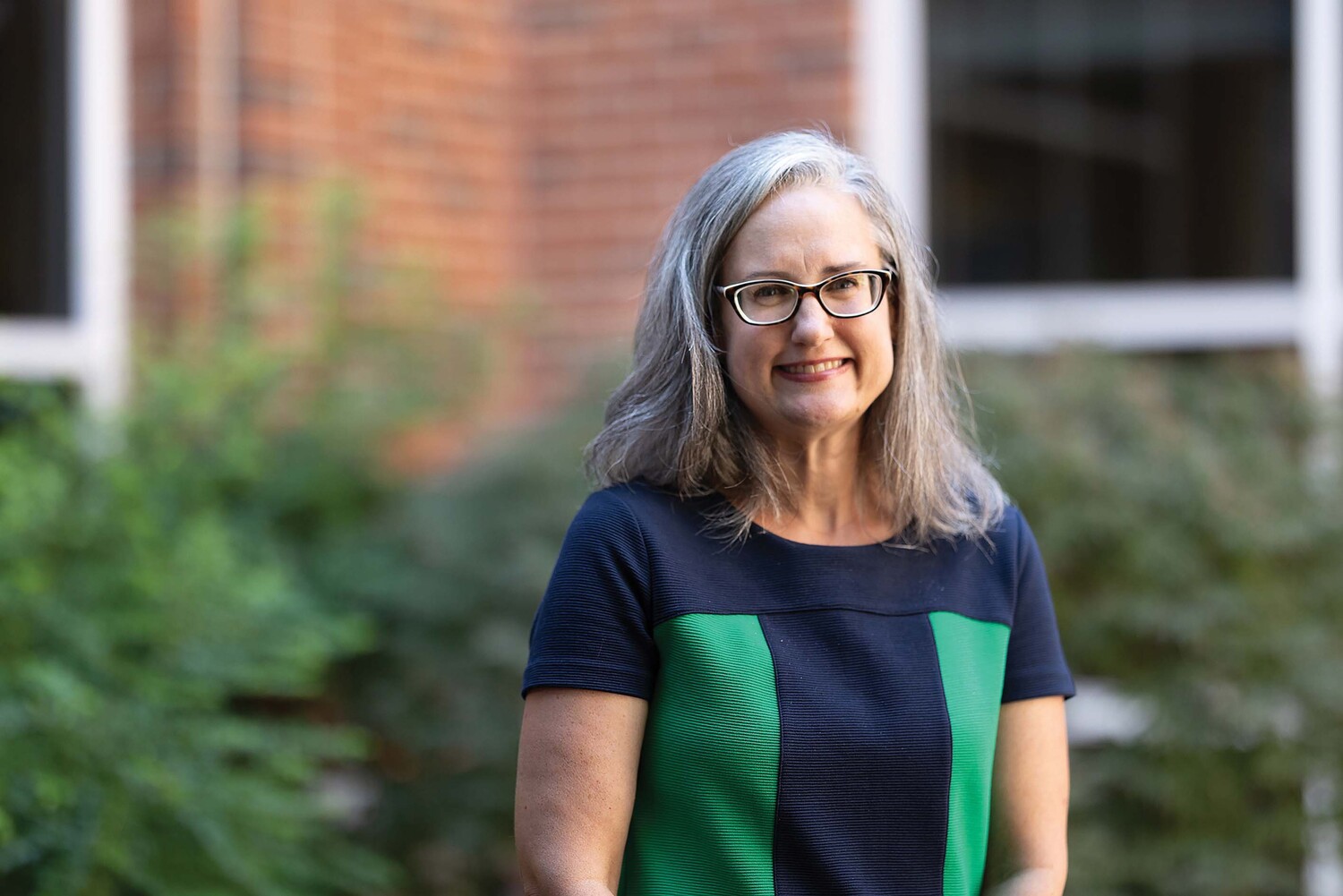
She knew she needed help to best serve her students. So, Smith sought training through two University of Oklahoma Jeannine Rainbolt College of Education grant-funded programs, which led to her receiving a master’s degree in special education and becoming a board-certified behavior analyst. The support was “life changing”—for both Smith and her students.
Today, Smith teaches at Friend Public School in Chickasha, Okla. As the school’s special education director and only special education teacher, she works with 24 of the small, rural school’s roughly 200 students from pre-K through 8th grade.
“I love it. I love changing kids’ lives,” Smith says. “Knowing I get to do that for the duration of my career is an amazing feeling.”
Brittany Hott, a professor of special education and associate director of OU’s Institute for Community and Society Transformation, leads the grant-funded programs that underwrote Smith’s training. Each is aimed at connecting, empowering and developing highly trained, effective rural educators across Oklahoma. The programs are multipurpose: They give rural educators new skills to better serve their students, they train school-based mental health providers to fill gaps in rural schools and they allow OU researchers to measure the success of educational tools for students who need extra help to learn well.
Though their work is complex, a simple, unifying theme is at the heart of the three programs—Oklahomans helping Oklahomans.

“We're growing our own,” says Hott. “We're collaborating with schools, saying, ‘Send us your best, and we're going to give you our best.’ Those relationships have continued to grow and spread and have been very successful.”
The projects are designed to address rural educators’ unique challenges, including geographic barriers, accessing broadband internet service, limited opportunities for professional development and the reality that teachers are overextended.
But the programs also tap into the often-overlooked might of rural communities.
“We talk about challenges so much that we forget about rural strengths,” Hott says. “Often, the school is the community hub. There are generations of relationships and positive interactions within the community that supports the school.”
For Smith, who is the sole special education teacher at Friend Public School, her participation in the CREATE project was a chance to connect with other educators in similar roles across Oklahoma. Together, they shared ideas and swapped advice.
“If you're the only special education teacher, very few people know, truly, all that goes into your role at a school,” Smith says. “CREATE fosters that sense of community for special educators.”
Broadly, the education field has difficulties with recruiting and retention, Hott says—about 40% of new teachers leave the field within their first five years. Those issues are only magnified in special education. But in the CREATE program, the team has celebrated 100% retention for participants, who are now well-equipped to serve their rural schools and communities.
Julie Atwood is a research scientist at OU supporting the PRIME program, which provides training to school counselors, social workers, board-certified behavior analysts and other mental health professionals.
In rural Oklahoma, a parent with a child who needs mental or behavioral health care may have to travel long distances to obtain services.
By training professionals who can offer these services in rural schools, Atwood says, “we remove that barrier for parents instead of traveling all the way to Oklahoma City or Norman to access services.”
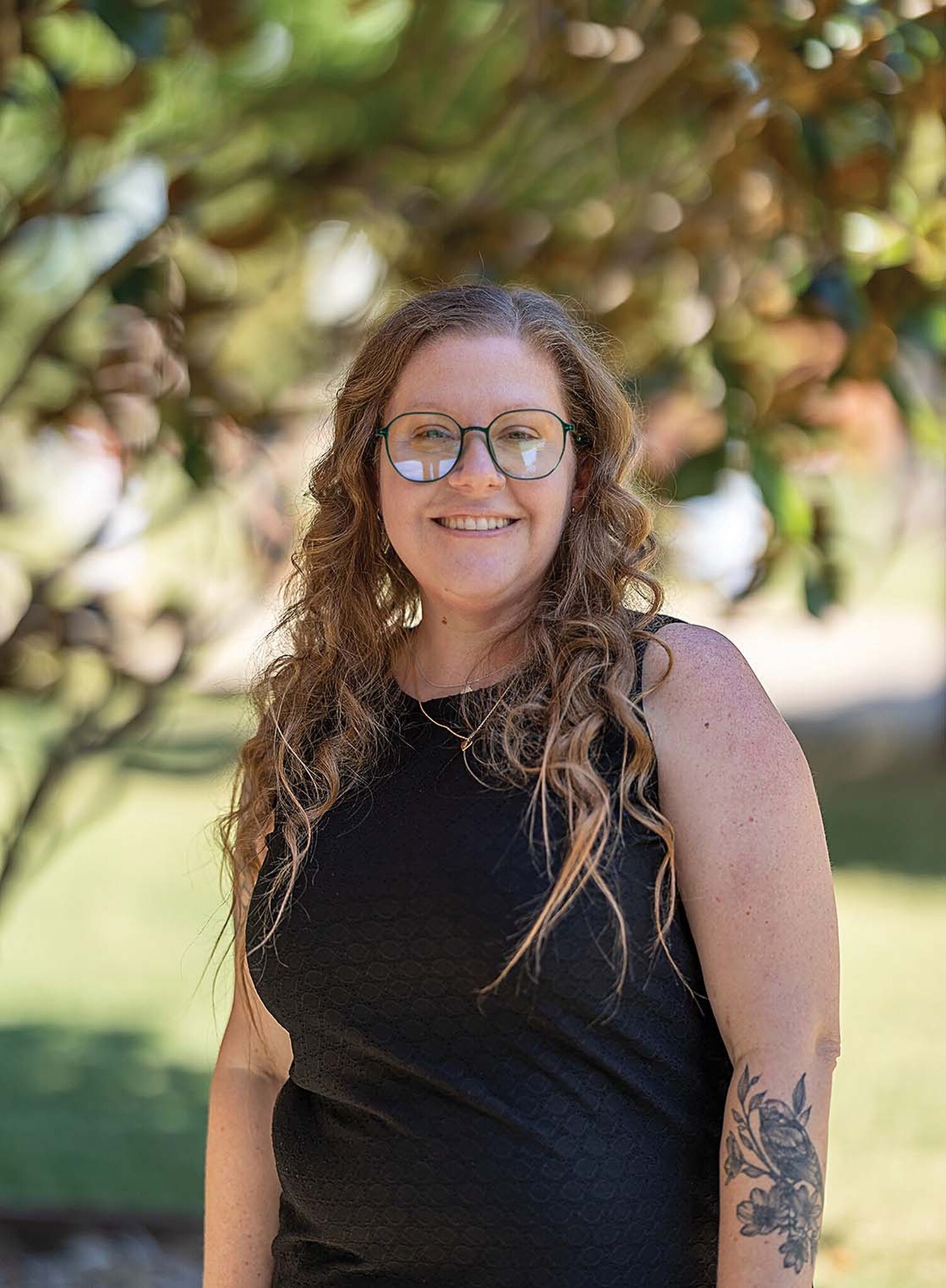
Atwood, who previously worked in schools as a board-certified behavioral analyst, is also working on her Ph.D., which is funded through SPIDERS.
“I would not have been able to get my Ph.D. without this program. There was just no way feasibly I could do it,” she says. “Because I have this funding, I'm now able to work on our other grant projects and support educators in a way that I absolutely was not able to when I started my Ph.D.”
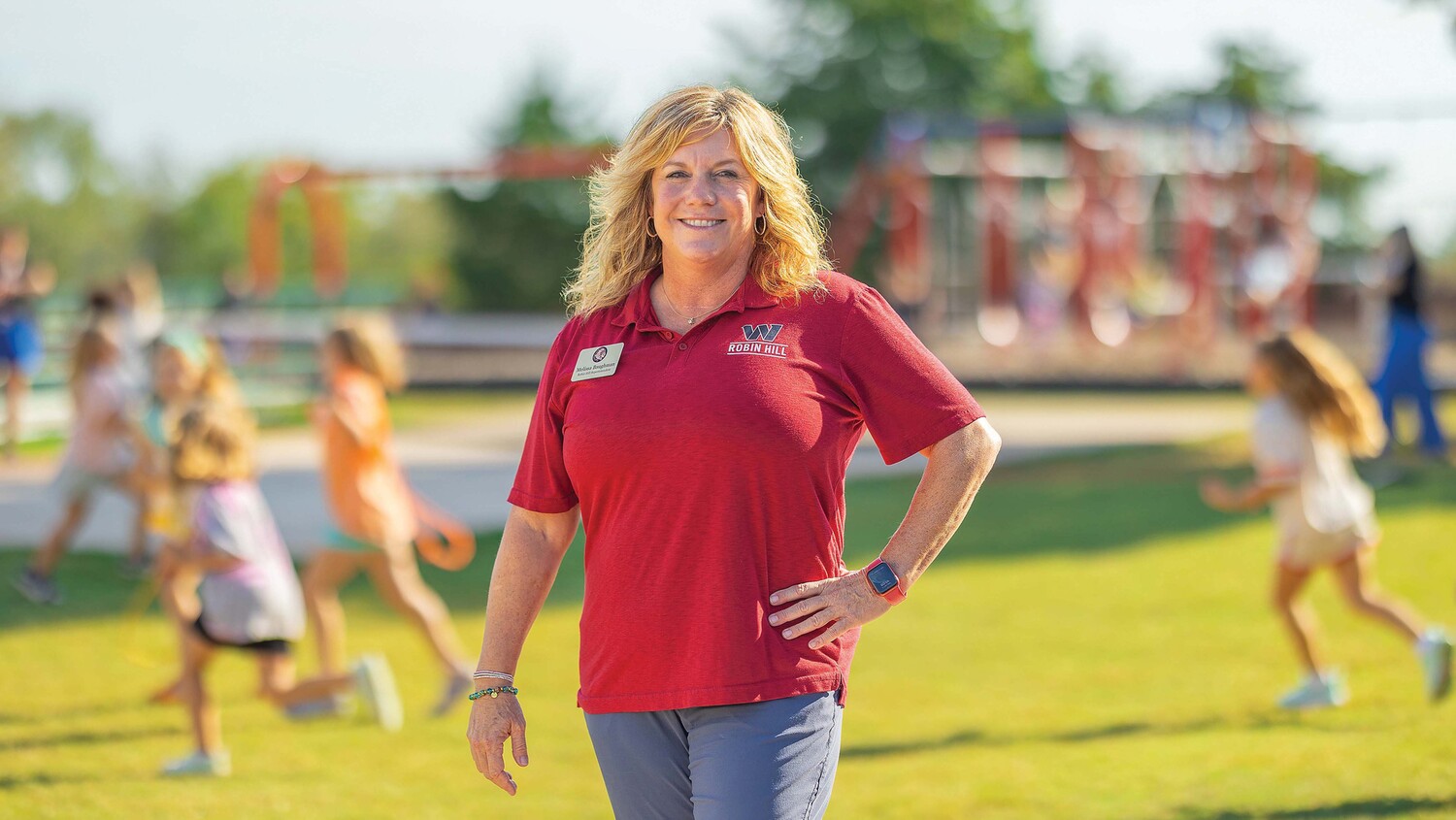
Melissa Baughman is superintendent of Robin Hill Public School, an independent Pre-K through 8th-grade district in rural Norman. She is preparing to sit for an exam to become a board-certified behavior analyst, along with two of her colleagues. Through the PRIME program, Baughman accessed training that is helping her better understand and work with students.
“When you get your degree to be a teacher, you’re trained in classroom management, how to instruct and communicating with parents,” she says. “But there’s a lack of training about how to handle a situation when a student has a behavior that you don't understand—what do you do?”
Before the PRIME program, Baughman says she didn’t have the means to address students’ challenging behavioral needs in a way that furthered their learning. “PRIME gave us the tools.”
PRIME, CREATE and SPIDERS also offer important insight into what works—and what doesn’t—in rural school settings versus urban or suburban schools.
“It sounds very simple, but it's not,” Hott says. “It's nuanced and requires effort to determine what works for whom in the context of a rural community.”
To learn more about these programs, email bhott@ou.edu.
Dana Branham is a former reporter for The Oklahoman and a freelance writer who lives in The Village, Okla.
To comment on this story, click here.