

David W. Levy
The Teller of Stories
Sooner Magazine is retiring Lest We Forget with the death of creator and author David W. Levy, to whom this final installment is devoted. Levy shared beautifully written and meticulously researched stories on OU’s history with Sooner Magazine readers through Lest We Forget and earlier series for many years with little bias, opinion or favor. It’s a fair guess that we would have received a gentle, chastising phone call for our own bias in what follows.
In 2016, scores of David Levy’s colleagues, former students, family and friends stood shoulder to shoulder in the ground-floor lobby of Dale Hall Tower, home to OU’s Department of History. The space was freshly renovated as a lounge and dedicated to one of the university’s most highly decorated scholars and teachers, complete with a commissioned portrait.
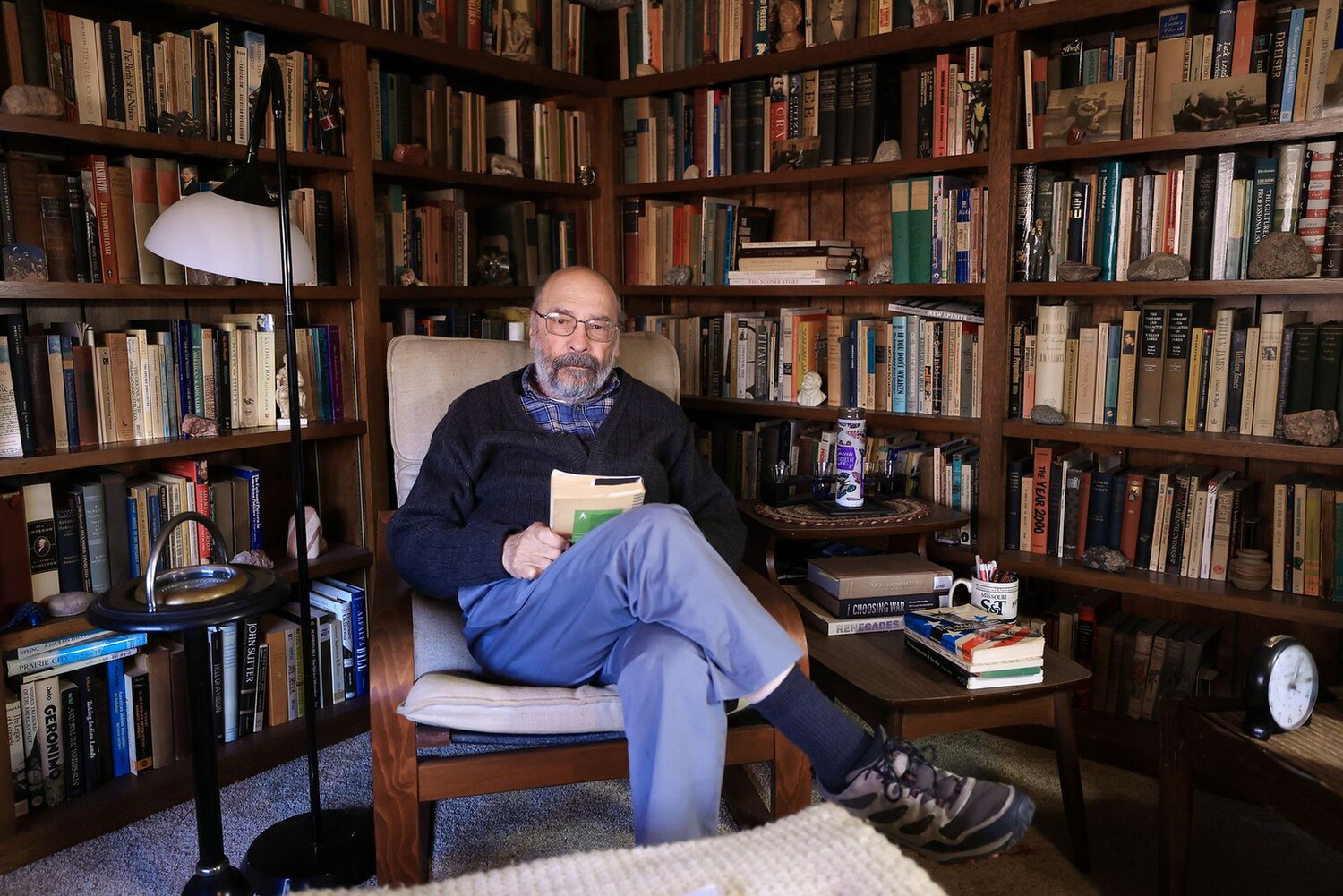
Levy looked around at the crowd. “I had hoped that if any space was named for me on campus, it would have been the football stadium,” he deadpanned. “But the lobby of Dale Hall Tower would have been my next choice.”
When he passed on Aug. 9 at age 88, Levy was unanimously acknowledged as OU’s preeminent historian, a revered professor emeritus, prolific author and friend and mentor to generations of students, faculty and staff.
The Chicago native came to OU shortly after earning his Ph.D. at the University of Wisconsin in 1967. He soon met and married Lynne Hunt, a scholar of medieval English literature. Here, the Levys would invest four decades enriching OU and its students.
Levy’s accomplishments alone could fill pages, with many highlighting his remarkable ability to reach the thousands of undergraduate and graduate students lucky enough to enter his classroom. He was named a David Ross Boyd Professor, Presidential Professor, Rothbaum Professor of History and Oklahoma Higher Education Hall of Fame inductee. He received the Regents’ Award for Superior Teaching and the OU Student Association’s Award for Outstanding Teacher. Top students in OU’s U.S. history survey courses earn a prize carrying Levy’s name.
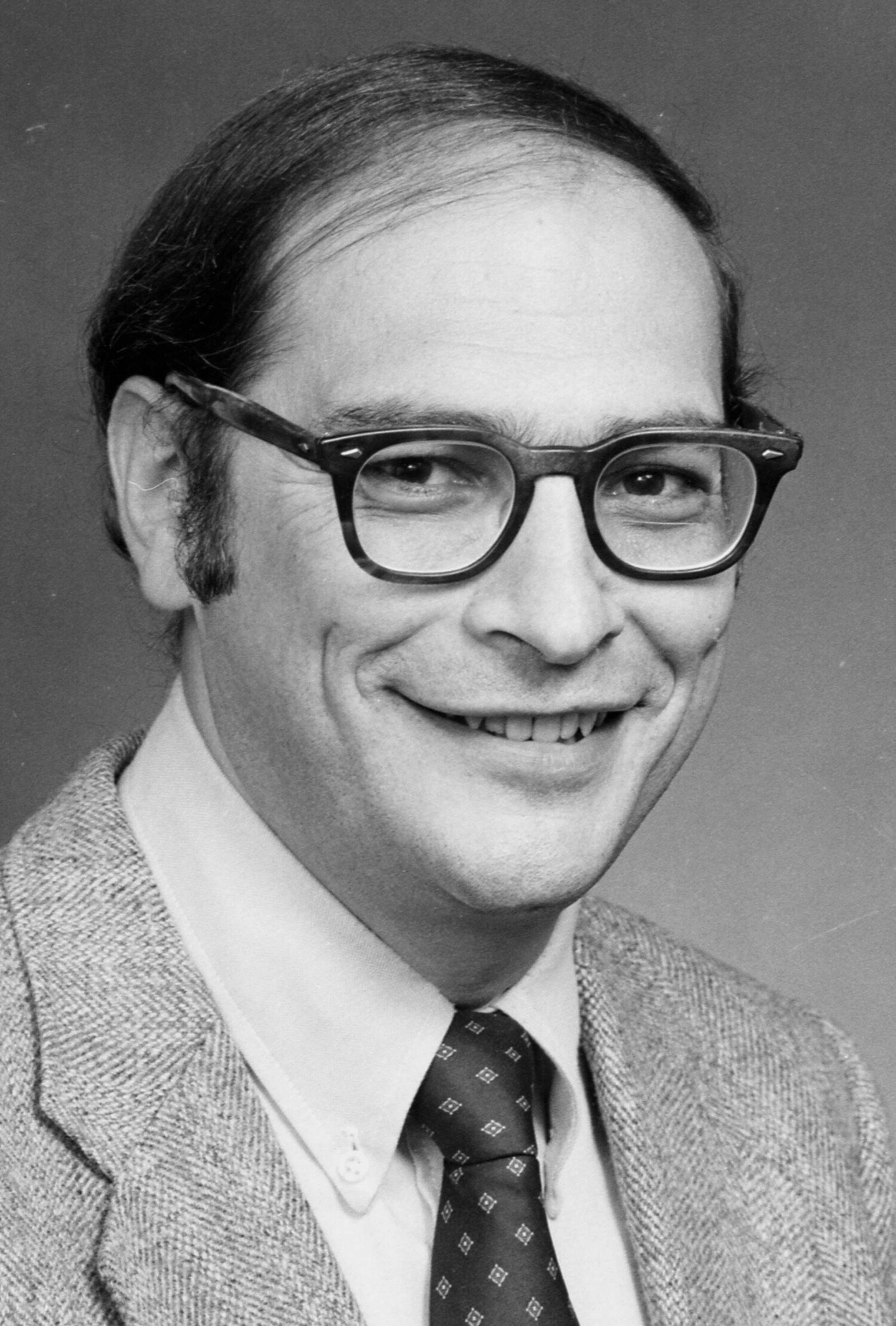
His gift for teaching was nourished by equally brilliant scholarship and writing, which continued for nearly two decades past his 2006 retirement and until months before his death.
“I think every historian should take a look at how David Levy chronicled the past and the lessons we can take from it,” says his longtime friend and OU colleague David Wrobel, now dean of the Stony Brook University College of Arts and Sciences in New York. Wrobel points to Levy’s nationally known works on American intellectual history, including a biography of Herbert Croly of The New Republic fame and seven volumes of U.S. Supreme Court Justice Louis D. Brandeis’ letters, for which Levy was co-editor.
“What you see is a masterful historian at work, reconstructing the past with all its rich detail, imperfections, inconsistencies and contingencies, and doing so without editorializing,” Wrobel says. “Tell the stories well and readers will know what the lessons are. The power of the story was always at the center of David’s writing.”
Story and power are undoubtedly the centerpieces of Levy’s multi-volume The University of Oklahoma: A History, a Rosetta Stone crucial to understanding OU’s often complex and challenging past. His 2020 book, Breaking Down Barriers: George McLaurin and the Struggle to End Segregated Education is an equally important chapter of the university’s history.
“But David was much more than a historian for OU,” Wrobel says, “The quality of OU is higher because of the work David did in his job—but equally due to the work he did behind the scenes, which he always viewed as part of his job.”
Among that work were Levy’s service as chair of the Faculty Senate, support of the OU Honors College since its 1997 founding and his efforts to help establish the university’s Judaic Studies Program.
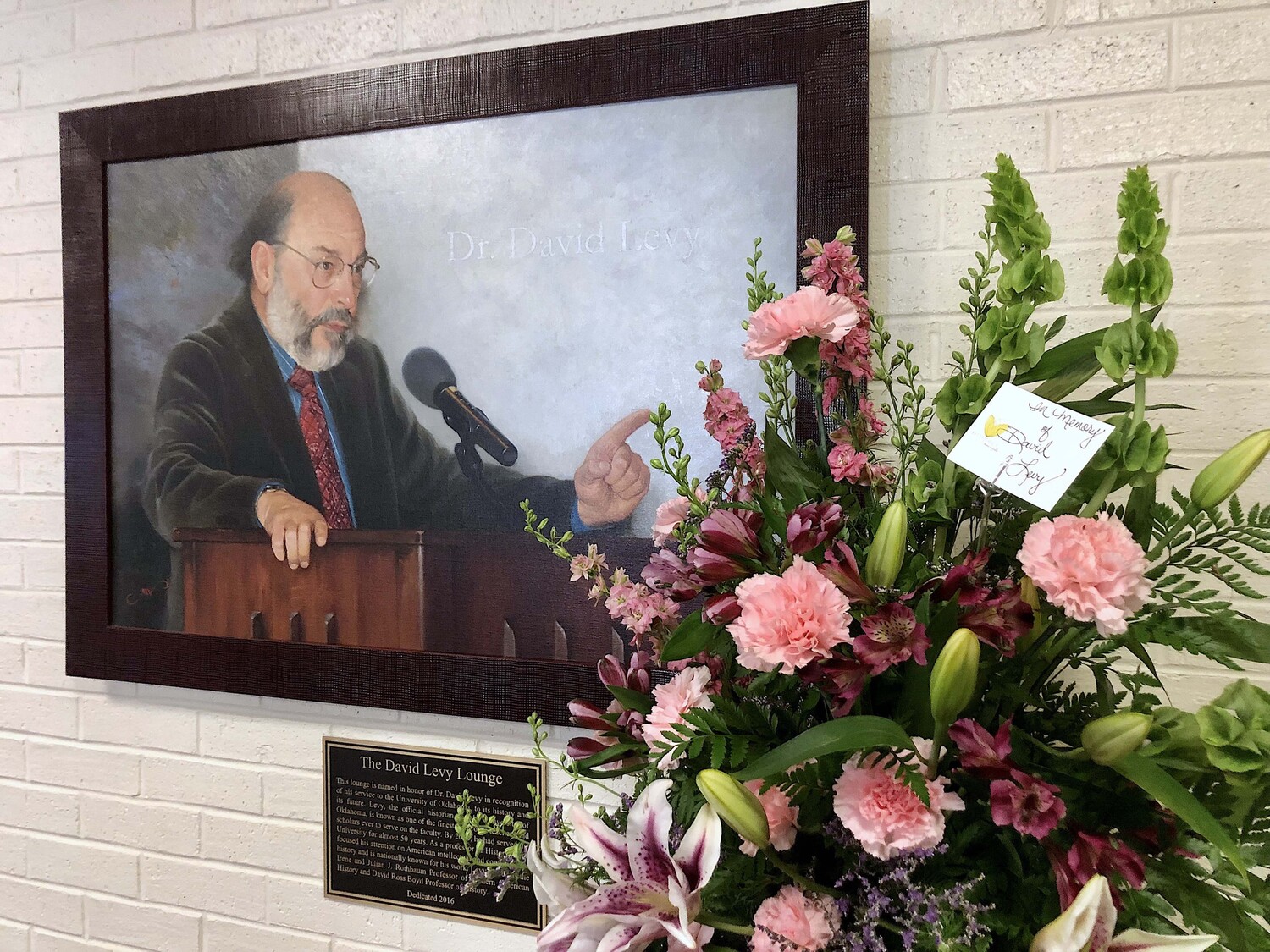
“He also was an adviser to multiple OU presidents, provosts and deans,” Wrobel says, explaining that Levy was sought out for his impartiality and history-infused perspective. He often hosted administrators in his home library, surrounded by books and the occasional glass of port.
“David cared deeply for the university and only ever wanted what was best for it. His only motive was that the community he loved would continue to thrive. He exemplified dedication to OU.”
“I think it's important not to believe that you're going to be remembered for much—it doesn't work that way,” Levy reflected in a 2022 interview. “You’re doing your work, trying to clarify and enlarge people’s views of some part of the American past. There will be no statues.”
Though that remains to be seen, it’s true universities don’t often erect grand edifices like stadiums to honor professors who influence countless students and become the trusted voice of an institution—the chroniclers of stories that will simultaneously ground and lift those who have an ear to hear for generations to come.
Perhaps they should. Or perhaps, after all, it’s more fitting that the space honoring David Levy is one where the footsteps of future historians and storytellers pass through every day.
Those who wish to honor Levy’s memory can contribute to the David and Lynne Levy Discretionary History Fund at give.oufoundation.org/LevyMemorial.
Anne Barajas Harp is editor of Sooner Magazine and the author of The Sooner Story, which was written with the generous support of David W. Levy.
To comment on this story, click here.